The Fourth Industrial Revolution in Southeast Asia
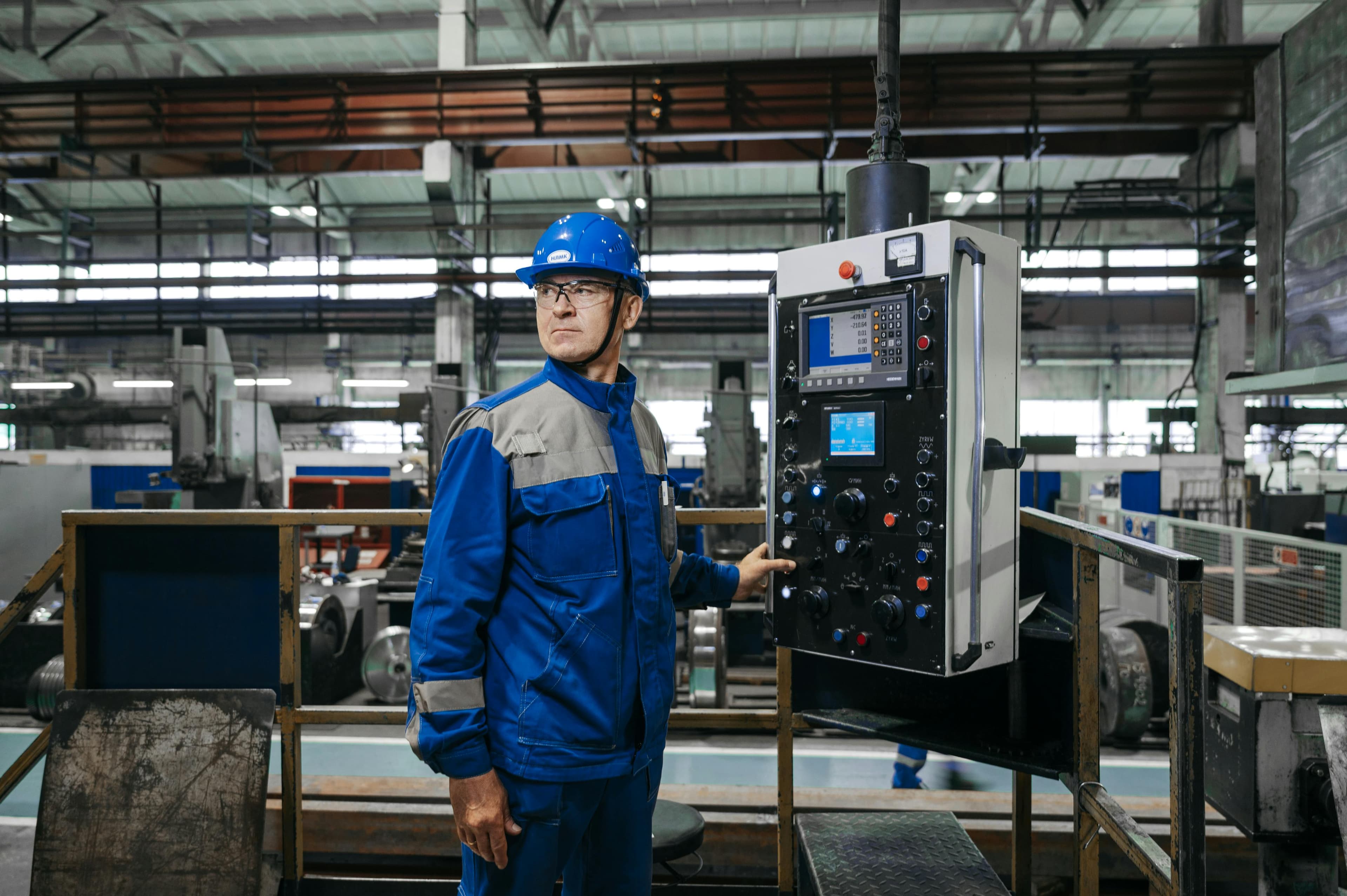
Manufacturing across APAC is undergoing a seismic shift. With labor costs rising and global supply chains demanding greater agility, factories in Vietnam, Thailand, and Singapore are turning to smart factory solutions to stay competitive.
At CLT, we've helped over 50 manufacturing facilities implement IoT sensor networks, MES (Manufacturing Execution Systems), and AI-driven quality control — reducing unplanned downtime by an average of 40%.
Key Technologies Driving the Shift
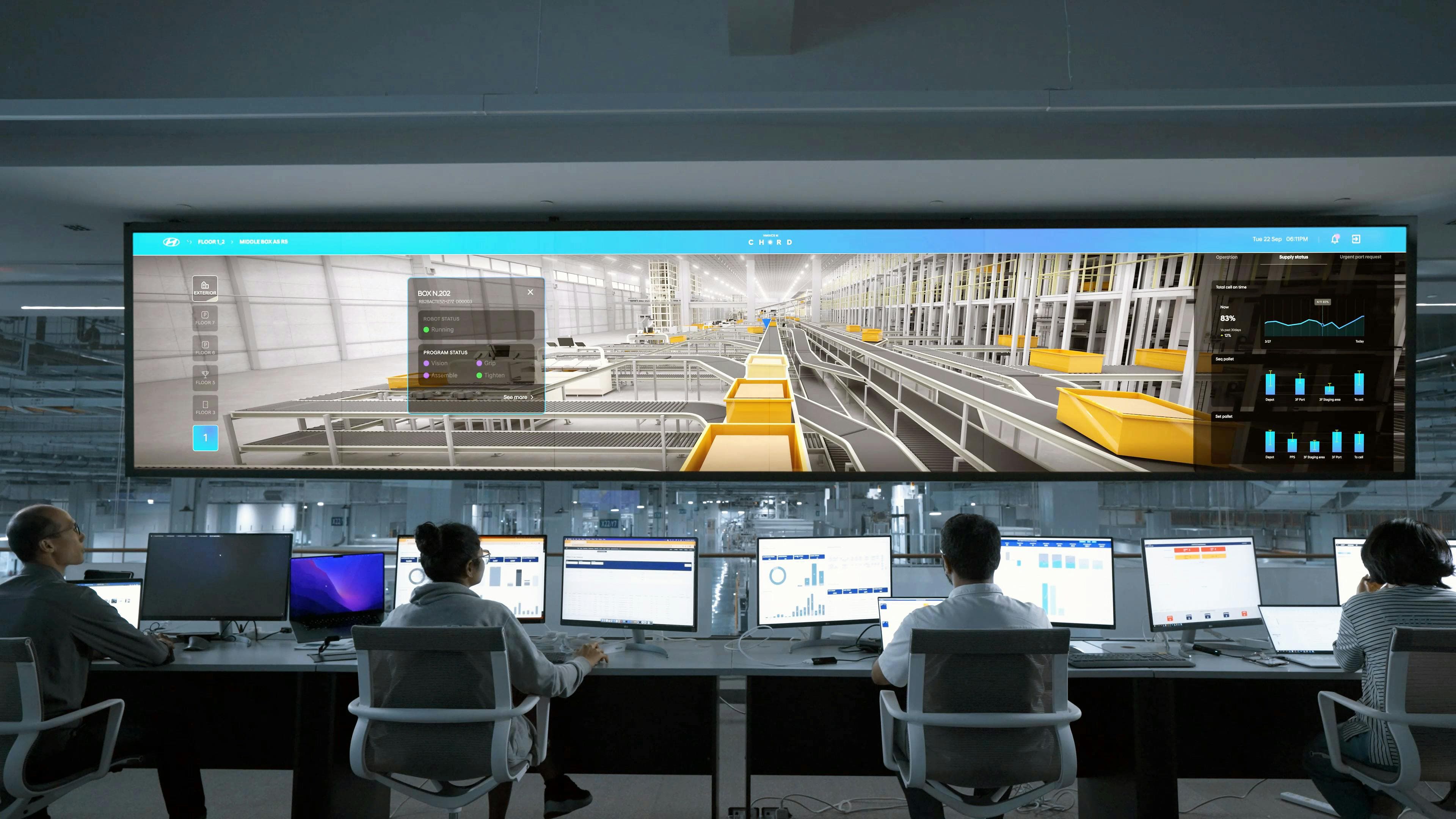
IoT Sensor Networks: Real-time monitoring of equipment health, temperature, vibration, and energy consumption. Our deployments typically connect 200–500 sensors per production line, feeding data into centralized dashboards.
Predictive Maintenance: Machine learning models trained on historical failure data can predict equipment breakdowns 2–3 weeks in advance, allowing scheduled maintenance instead of costly emergency repairs.
Digital Twin Technology: Virtual replicas of physical production lines enable simulation of process changes before implementation, reducing trial-and-error costs by up to 60%.
"The factories that will win the next decade are the ones investing in visibility and prediction today — not reacting to failures tomorrow."
Technology Comparison
| Approach | Avg. Implementation | ROI Timeline | Best For |
|---|---|---|---|
| IoT Sensors Only | 4–6 weeks | 3–5 months | Quick visibility wins |
| Predictive Maintenance | 2–3 months | 6–9 months | High-value equipment |
| Full Digital Twin | 4–6 months | 10–14 months | Complex multi-line plants |
ROI Timeline
Most facilities see positive ROI within 8–12 months of deployment. The initial investment in sensors and infrastructure pays for itself through reduced downtime, lower energy consumption, and improved yield rates.
For Singapore-based enterprises operating manufacturing in Vietnam, smart factory solutions bridge the visibility gap — giving headquarters real-time insight into production without physical presence.
Start with sensor deployment on your top three failure-prone machines. Visibility alone typically reveals 10–15% improvement opportunities before a single line of automation is written.