Industry 4.0 Isn't Just for Giants
The media narrative around smart factories focuses on Tesla-scale automation. But the real revolution is happening in 100–500 person factories implementing targeted automation that delivers immediate ROI.
Start Small: The Three-Phase Approach
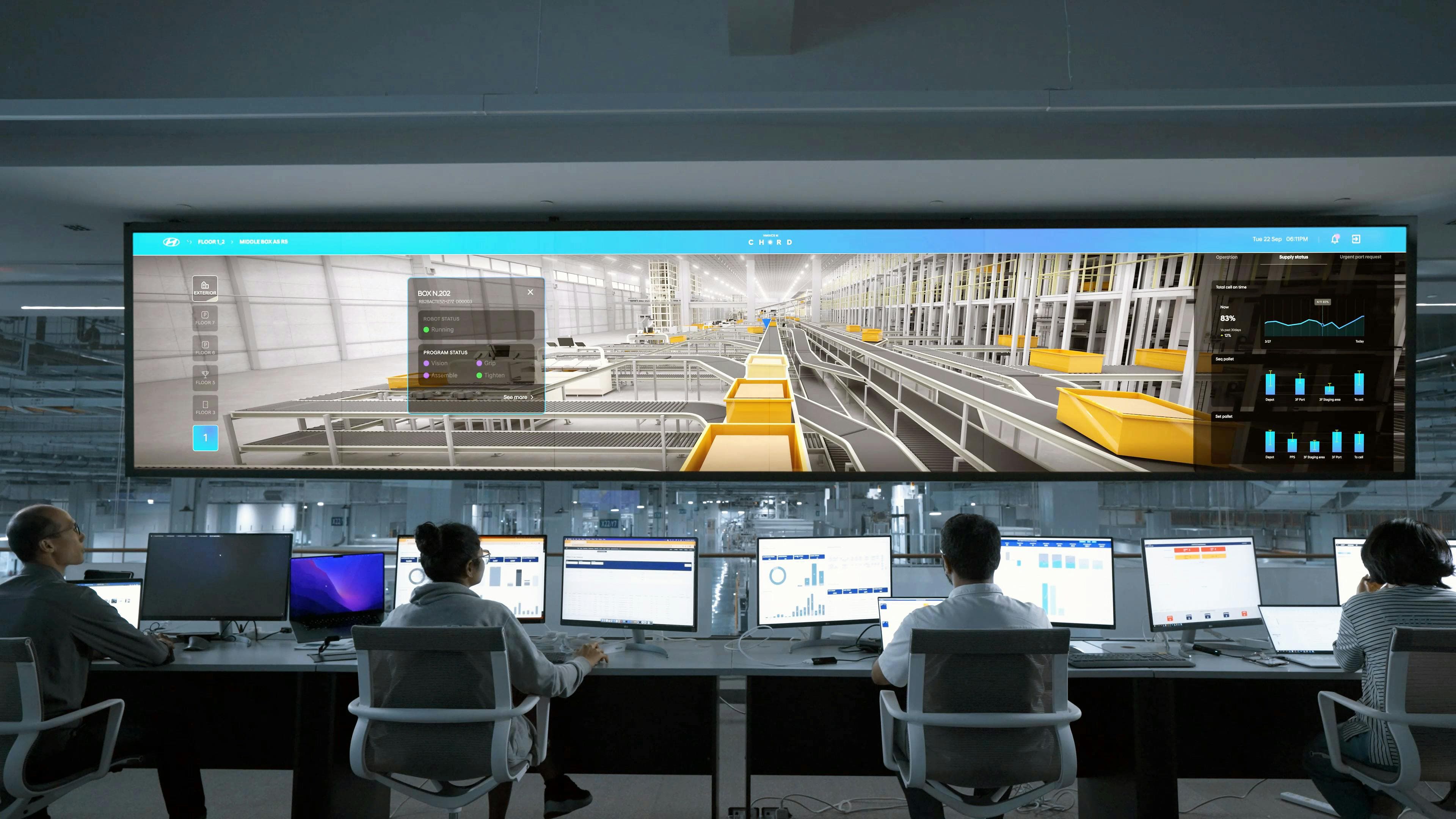
Phase 1 — Visibility (Month 1–3): Deploy sensors on critical equipment. Get real-time OEE (Overall Equipment Effectiveness) dashboards. This alone typically reveals 10–15% improvement opportunities.
Phase 2 — Optimization (Month 4–8): Use collected data to optimize scheduling, reduce changeover times, and implement predictive maintenance on top failure modes.
Phase 3 — Automation (Month 9–18): Automate repetitive quality inspections with computer vision. Implement automated material handling where justified by volume.
OEE Improvement: Phase 1 alone typically reveals 10–15% improvement opportunities through better visibility into equipment performance and bottlenecks.
Budget Reality Check
| Phase | Timeline | Typical Investment | ROI Payback |
|---|---|---|---|
| Phase 1: Visibility | Month 1–3 | $50,000 – $75,000 | 4–6 months |
| Phase 2: Optimization | Month 4–8 | $75,000 – $100,000 | 5–7 months |
| Phase 3: Automation | Month 9–18 | $100,000 – $150,000 | 8–12 months |
| Full Implementation | 9–18 months | $225,000 – $325,000 | 4–8 months from Phase 1 |
Most manufacturers recover Phase 1 investment through reduced unplanned downtime alone — then the subsequent phases deliver compound improvements that transform profitability.
CLT provides turnkey implementation including hardware procurement, software integration, and operator training — so your team focuses on production, not IT projects.
Industry 4.0 success for mid-size manufacturers means starting with visibility to drive quick wins, then systematically building optimization and automation capabilities. The payoff is measured in weeks, not years.